
Description:
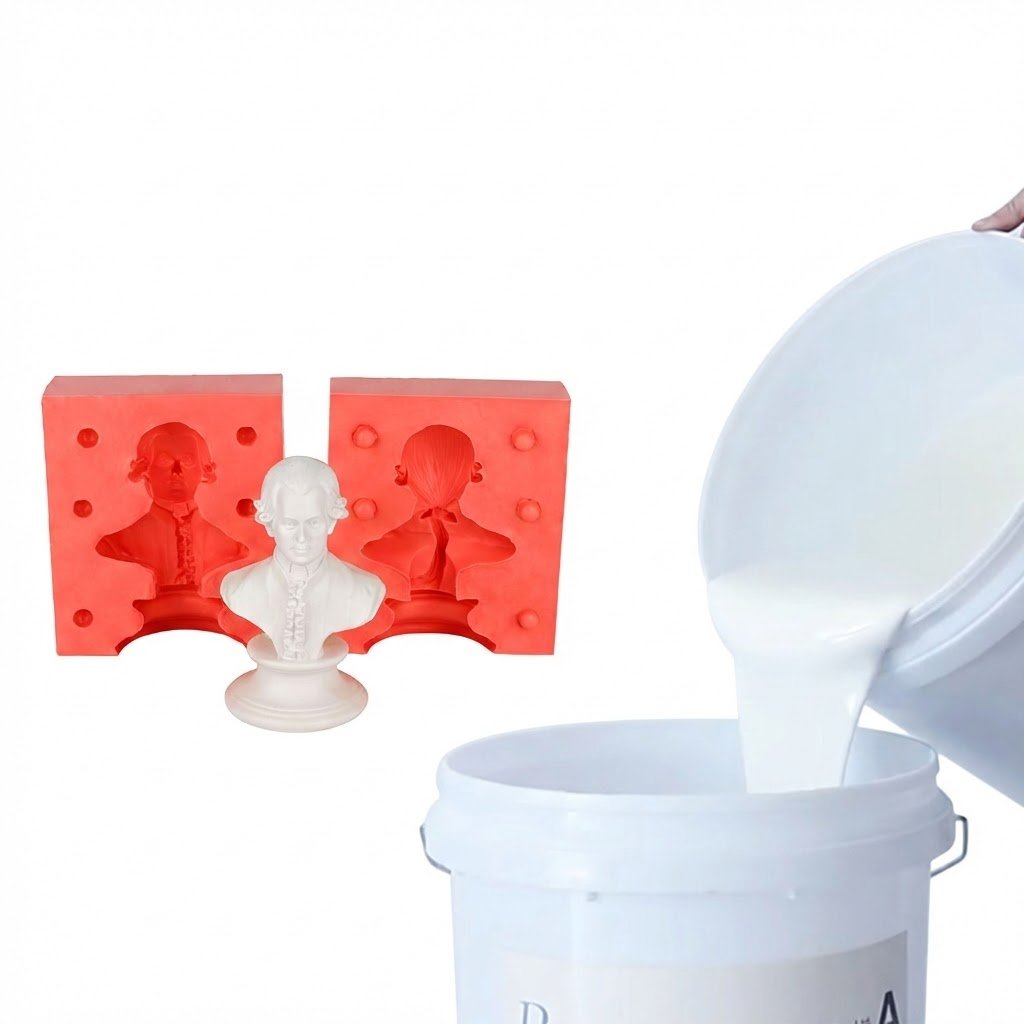
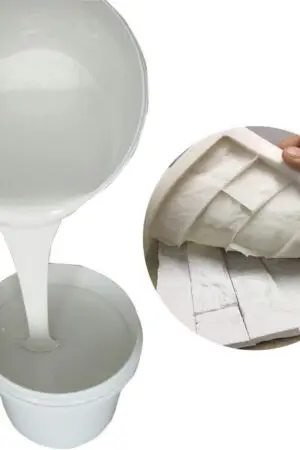
Unlock the ability to cast the most intricate details with our 10 Shore A Tin-Cured Silicone. This professional-grade, condensation-cure rubber is formulated for extreme flexibility and high tear strength, making it the superior choice for resin crafts, delicate statues, and models with deep undercuts.
Unlike stiffer rubbers, the 10A hardness allows for effortless “glove-mold” removal. You can stretch and peel the mold back from fragile resin castings without snapping delicate features or tearing the mold itself. It is widely used for reproducing complex art pieces, soap, candles, and poly-resin collectables.
Key Benefits:
-
Maximum Flexibility (10 Shore A): The ultra-soft formulation is perfect for molds with complex geometries, negative drafts, and deep undercuts.
-
Easy Demolding: Drastically reduces the risk of damaging fragile resin parts during removal; extends the life of your master model.
-
High Tear Resistance: despite its softness, it offers excellent elongation and tensile strength to withstand repeated stretching.
-
Inhibition Resistant: As a tin-cure system, it cures reliably over various substrates (including sulfur-based clays and many 3D printed resins) where platinum silicones often fail.
-
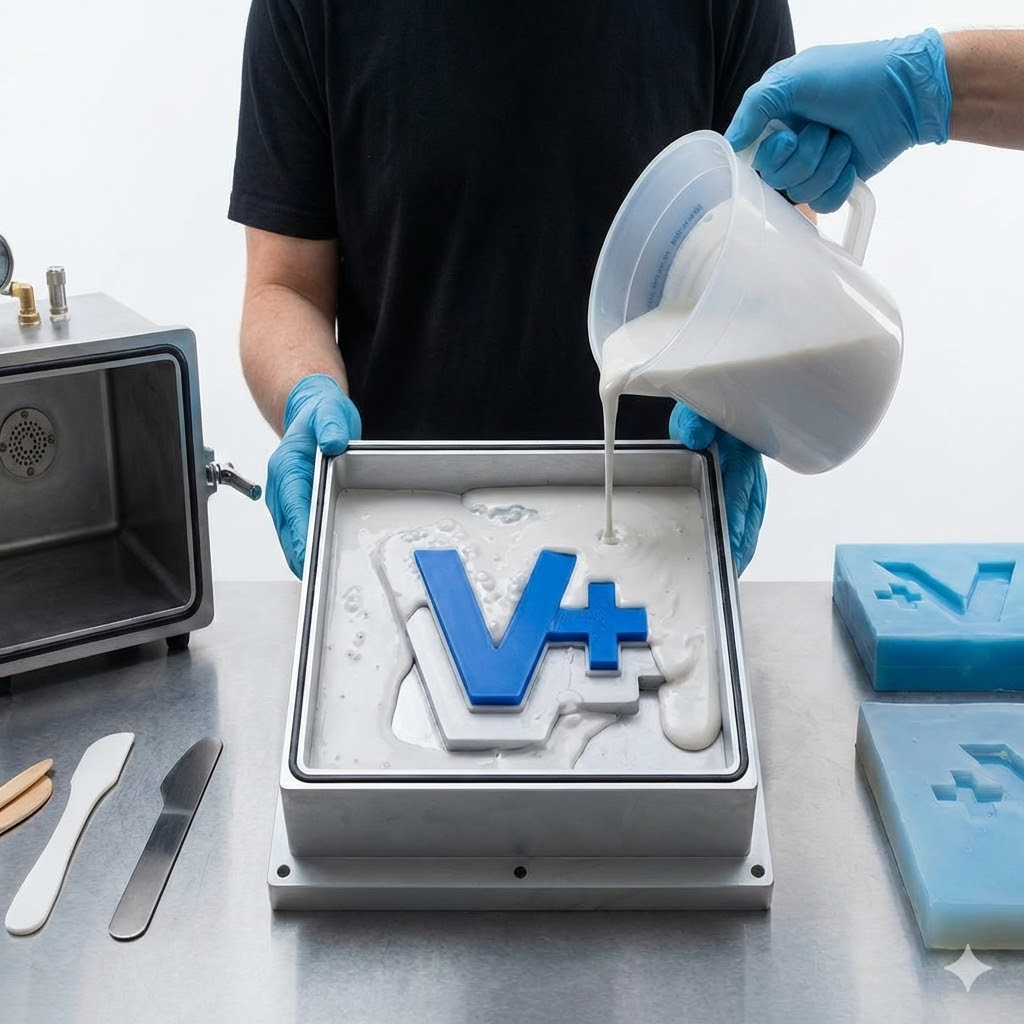
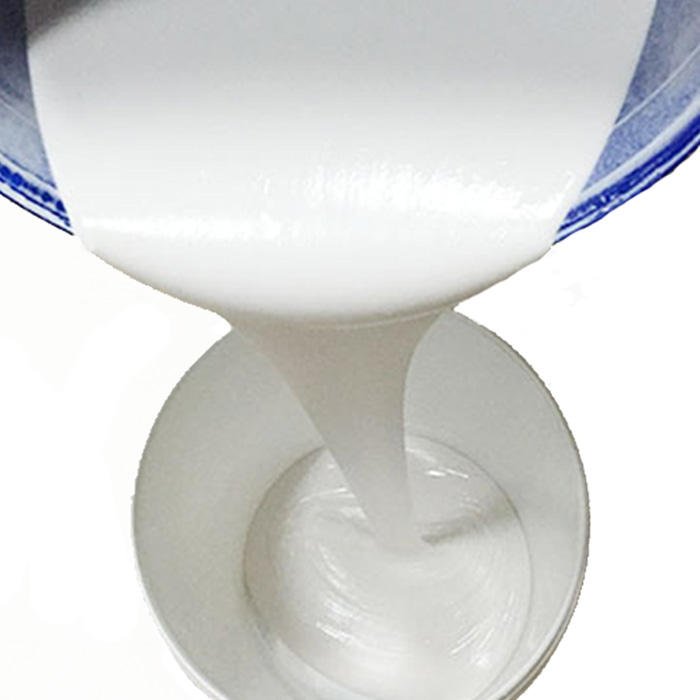
Low Viscosity: Flows easily into every crevice to capture microscopic textures without requiring vacuum degassing (though vacuuming is recommended for bubble-free results).
Ideal Applications:
-
Resin Crafts: Intricate jewelry, figurines, and miniatures.
-
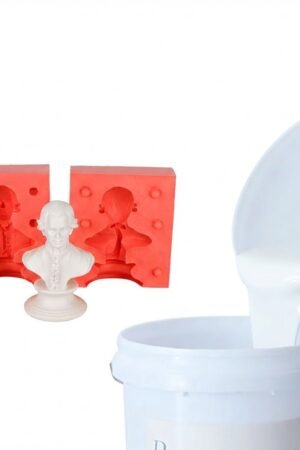
Statuary: Reproduction of sculptures with fragile limbs or deep textures.
-
General Casting: Molds for polyurethane, epoxy, polyester resin, wax, gypsum, and soap.
Technical Specifications:
-
Type: RTV-2 Condensation Cure (Tin-Based)
-
Hardness: 10 Shore A (Very Soft)
-
Mixing Ratio: 100:2 to 100:3 (by weight)
-
Pot Life: 30–40 Minutes
-
Cure Time: 6–8 Hours (at 25°C)
-
Color: Off-White / Translucent
-
Shrinkage: Low (<1.1%)
Usage Tips:
-
Mix Thoroughly: Weigh Part A and Part B accurately. Mix until the color is uniform, scraping the sides and bottom of the mixing container.
-
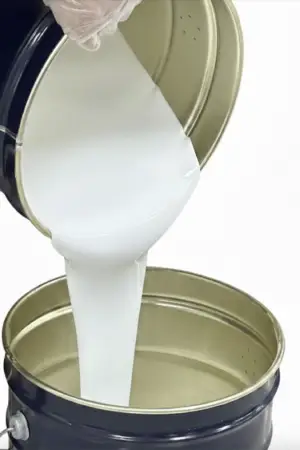
Pouring: Pour the silicone from a height into one spot of the mold box, allowing the material to flow up and over the model to minimize trapped air.
-
Curing: Allow the mold to cure at room temperature (77°F / 25°C). Avoid demolding prematurely to ensure the rubber has reached full strength.
| Item | Color | Viscosity (mPa·s) | Hardness (Shore A) | Tensile Strength (MPa) | Elongation at Break % | Tear Strength (N/mm²) | Linear Shrinkage % |
| YS805 | White | 12000±2000 | 5±2 | ≥1.5 | ≥550 | ≥8 | ≤0.3 |
| YS810 | White | 14000±2000 | 10±2 | ≥1.9 | ≥500 | ≥13 | ≤0.3 |
| YS815 | White | 16000±2000 | 15±2 | ≥2.1 | ≥500 | ≥17 | ≤0.3 |
| YS820 | White | 20000±2000 | 20±2 | ≥2.5 | ≥450 | ≥22 | ≤0.3 |
| YS825 | White | 21000±2000 | 25±2 | ≥3.0 | ≥450 | ≥23 | ≤0.3 |
| YS830 | White | 22000±2000 | 30±2 | ≥3.5 | ≥350 | ≥23 | ≤0.3 |
| YS835 | White | 22000±2000 | 35±2 | ≥3.5 | ≥310 | ≥22 | ≤0.3 |
| YS840 | White | 22000±2000 | 40±2 | ≥4.0 | ≥310 | ≥20 | ≤0.3 |
Reviews
There are no reviews yet.